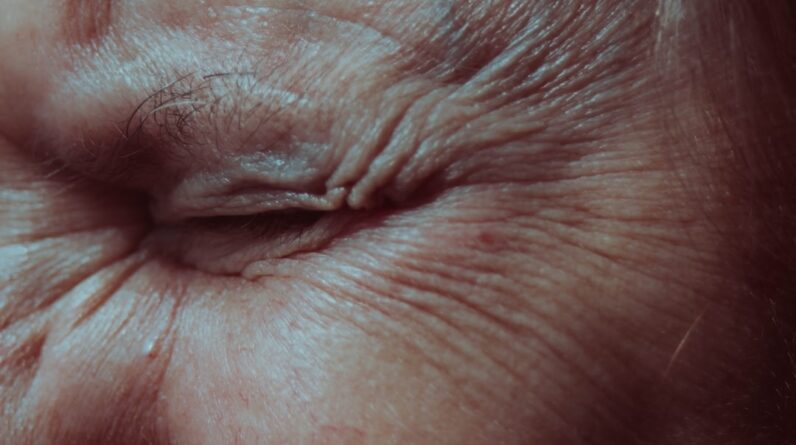
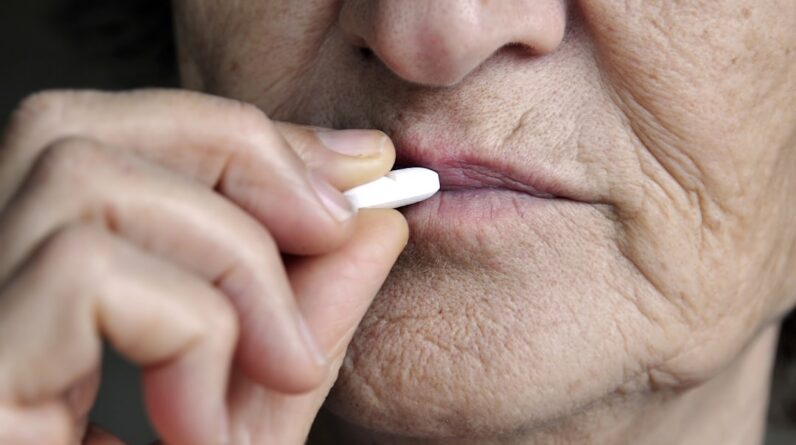
You are likely here because you have noticed changes in your skin. Perhaps fine lines have begun to etch themselves into your complexion, or you might be concerned about a general decrease in skin suppleness. You are not alone. As the years advance, the body’s natural production of collagen and hyaluronic acid (HA) diminishes, and these two biochemicals are the cornerstones of skin structure and hydration. This article will delve into the role of collagen supplements, particularly those containing hyaluronic acid, in supporting skin firmness. We will explore the science behind these compounds, the purported benefits of supplementation, and what you should consider before incorporating them into your regimen.
To grasp the potential benefits of collagen and HA supplements, you first need a fundamental understanding of your skin’s complex architecture. Think of your skin as a finely engineered building, where collagen and hyaluronic acid are the essential construction materials and the intelligent plumbing system, respectively.
The Collagen Matrix
What is Collagen?
Collagen is a protein, a fundamental building block of many tissues within your body, including skin, bones, tendons, and ligaments. It is the most abundant protein in mammals, making up between 25% and 35% of the whole-body protein content. In your skin, collagen is like the scaffolding that provides structural integrity and strength. It’s a fibrous protein that weaves together to create a dense network, offering a firm foundation. There are at least 28 types of collagen, but types I, II, and III are the most prevalent in human skin. Type I collagen is the most abundant, found in the dermis and responsible for tensile strength. Type III collagen is also present in the dermis and is associated with elasticity.
Collagen Production and Decline
Your body naturally synthesizes collagen, a complex process that relies on amino acids, enzymes, and cofactors like vitamin C and zinc. This production is vigorous during youth, contributing to that plump, resilient skin you likely remember. However, as you age, this endogenous production rate begins to decline. This decline is a natural biological process, often beginning in your mid-20s and accelerating over time. Environmental factors, such as ultraviolet (UV) radiation from the sun, smoking, and poor nutrition, can further degrade existing collagen and impede new synthesis, acting like rust on your building’s framework.
The Role of Hyaluronic Acid (HA)
HA: The Skin’s Moisturizing Sponge
If collagen is the scaffolding, then hyaluronic acid is the sophisticated internal hydration system. Hyaluronic acid is a glycosaminoglycan, a type of molecule that is highly capable of binding and retaining water. A single molecule of HA can hold up to 1,000 times
FAQs
What are collagen supplements with HA?
Collagen supplements with HA typically contain collagen peptides combined with hyaluronic acid (HA). Collagen is a protein that supports skin structure, while hyaluronic acid helps retain moisture, promoting skin hydration and firmness.
How do collagen supplements with HA improve skin firmness?
Collagen supplements provide the body with amino acids needed to produce collagen, which helps maintain skin elasticity and firmness. Hyaluronic acid enhances skin hydration, which can improve skin texture and reduce the appearance of wrinkles.
Are collagen supplements with HA safe to use?
Yes, collagen supplements with hyaluronic acid are generally considered safe for most people when taken as directed. However, individuals with allergies or specific health conditions should consult a healthcare professional before use.
How long does it take to see results from collagen supplements with HA?
Results can vary, but many users report noticeable improvements in skin firmness and hydration after 4 to 8 weeks of consistent supplementation.
Can collagen supplements with HA replace topical skincare products?
Collagen supplements with HA can complement topical skincare but do not replace them. While supplements work from within to support skin health, topical products provide direct hydration and protection to the skin surface.