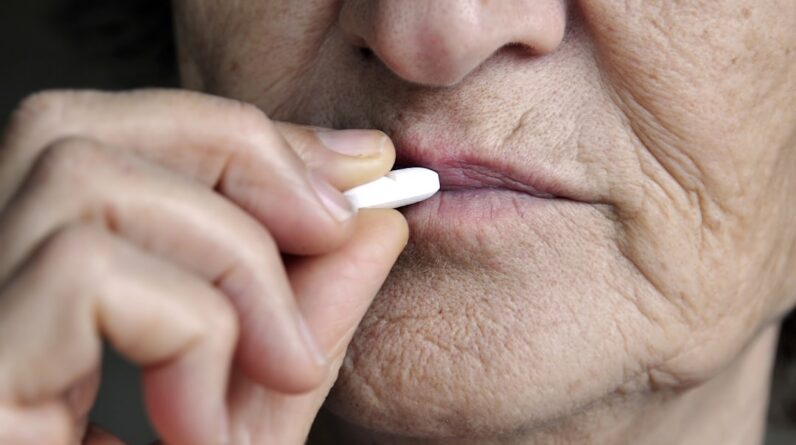
You’re likely here because you’ve noticed the subtle, or perhaps not-so-subtle, etchings of time on your skin. Wrinkles. They’re a natural part of the human narrative, etched by laughter lines, frowns, and the simple passage of years. But if you’re seeking ways to address them, to restore a semblance of firmness and elasticity to your complexion, you’ve probably encountered the ubiquitous presence of collagen supplements. This article aims to equip you with a factual understanding of how these supplements might play a role in your quest for firmer, smoother skin.
To grasp the potential impact of collagen supplements, you first need to understand what collagen is and why its decline contributes to visible signs of aging. Think of collagen as the scaffolding of your skin. It’s the most abundant protein in your body, acting as the primary structural component of connective tissues, including your skin, bones, tendons, and ligaments. It provides your skin with its strength, resilience, and, crucially for your concerns, its firmness.
The Protein Matrix: Collagen’s Role in Skin Structure
Imagine your skin as a beautifully woven tapestry. Collagen fibers, primarily types I and III, are the sturdy warp threads that give the fabric its integrity and tautness. They run in dense, parallel bundles, providing the tensile strength that prevents your skin from sagging. When you’re young, your body is a prolific factory, churning out new collagen at a rapid pace and efficiently repairing existing fibers. This constant replenishment cascade ensures your skin remains plump, smooth, and resistant to the environmental and mechanical stresses it encounters daily.
The Biological Clock: Collagen Degradation Over Time
As you age, however, this efficient collagen production line begins to slow down. The rate at which your body synthesites new collagen decreases, while the breakdown of existing collagen accelerates. This is a natural biological process influenced by a confluence of factors. Sunlight exposure (UV radiation), pollution, poor diet, smoking, and even chronic stress act as saboteurs, accelerating the degradation of collagen and damaging the fibroblasts—the cells responsible for its production. This decline in collagen density and quality is a primary driver behind the formation of wrinkles, fine lines, and a loss of skin elasticity. The once-tightly woven tapestry begins to fray, becoming thinner and less resilient, allowing gravity to exert its influence more noticeably.
Differentiating Collagen Types: Beyond Just One Protein
It’s important to note that there isn’t a single, monolithic “collagen.” There are at least 28 different types of collagen identified in the human body, each with a distinct structure and function. In the context of skin health and anti-aging, the most relevant are:
- Type I Collagen: This is the most prevalent type, making up about 90% of the body’s collagen. It’s found in dense connective tissues and is crucial for the structure and firmness of your skin.
- Type III Collagen: Often found alongside Type I collagen, it’s important for the flexibility and elasticity of the skin. Its presence contributes to the smooth, supple feel of youthful skin.
- Type II Collagen: Primarily found in cartilage, it plays a significant role in joint health, but its direct impact on skin firmness is less pronounced compared to Types I and III. While some supplements may contain Type II, focus on those emphasizing Type I and III for wrinkle reduction.
The Promise of Supplements: Bridging the Collagen Gap
The allure of collagen supplements lies in their purported ability to provide your body with the building blocks it needs to replenish diminished collagen stores. The theory is that by ingesting hydrolyzed collagen (collagen that has been broken down into smaller peptide chains), you can directly supply your body with the amino acids and collagen fragments necessary to stimulate new collagen synthesis.
Hydrolyzed Collagen: The Process and the Purpose
Collagen in its native form is a large, complex molecule that is difficult for your body to absorb directly. Therefore, most collagen supplements contain hydrolyzed collagen, also known as collagen peptides. Hydrolysis is a process that uses enzymes or acids to break down the long collagen chains into smaller, more bioavailable fragments. These peptides are thought to be absorbed more efficiently in your digestive tract and then circulate in your bloodstream.
Bioavailability: The Key to Absorption
The concept of bioavailability is central to the efficacy of any supplement, and collagen is no exception. Bioavailability refers to the proportion of a nutrient or substance that enters your circulation when introduced into the body and is able to have an active effect. For collagen peptides, this means being successfully digested, absorbed, and then reaching the skin cells (fibroblasts) where they can potentially trigger collagen production. Research suggests that hydrolyzed collagen has a higher bioavailability compared to undenatured collagen.
Stimulating the Fibroblasts: The Mechanism of Action
Once absorbed, these collagen peptides are believed to act as signaling molecules. They can be recognized by fibroblasts as fragments of broken-down collagen. This “signal” can then prompt these cells to ramp up their own collagen production, as if they are responding to an injury or a demand for repair. Think of it as providing the construction crew with a fresh delivery of bricks and mortar, encouraging them to rebuild the walls. This is the proposed primary mechanism by which collagen supplements aim to combat the visible signs of collagen loss that lead to wrinkles.
Scientific Scrutiny: Evidence for Collagen and Wrinkles
While the concept of collagen supplementation seems logical, the scientific evidence supporting its efficacy for wrinkle reduction is a complex landscape, marked by promising findings alongside calls for more robust research. It’s important to approach this with a critical eye, separating anecdotal claims from peer-reviewed studies.
Clinical Trials: What the Research Says
Numerous studies have investigated the effects of oral collagen supplementation on skin health. Many of these are industry-funded, which doesn’t automatically invalidate their findings but warrants careful consideration of potential biases. However, a growing body of independent research also exists.
- Positive Findings: Several randomized, placebo-controlled trials have reported statistically significant improvements in skin hydration, elasticity, and a reduction in wrinkle depth and appearance after participants consistently took collagen supplements for a period ranging from 4 to 12 weeks. For example, some studies have shown a measurable decrease in the pore size and an increase in skin density in areas treated with collagen peptides.
- Methodological Considerations: It’s vital to acknowledge that not all studies are created equal. Factors such as the type and dosage of collagen used, the duration of supplementation, the demographic of the participants (age, gender, ethnicity), and the specific measurement methods employed can all influence the results. Smaller studies or those with less rigorous controls may present a more optimistic picture than larger, more comprehensive investigations.
- Meta-Analyses and Reviews: Meta-analyses, which combine the results of multiple studies, offer a broader perspective. Some recent meta-analyses have concluded that collagen peptide supplementation can indeed improve skin hydration and elasticity, and may have a positive impact on reducing wrinkles. However, these reviews often highlight the need for further high-quality research to solidify these conclusions and to determine optimal dosages and treatment durations.
Dosage and Duration: Finding the Sweet Spot
Determining the “right” dosage and duration of collagen supplementation is an ongoing area of investigation. The dosages used in clinical trials typically range from 2.5 to 15 grams per day. Consistency is key; most studies show benefits after at least 60 days of continuous use. It is unlikely that you will see significant changes with sporadic or short-term supplementation. Think of it like consistently watering a plant; a single drenching won’t maintain its health, but regular care yields growth.
Sources of Collagen: From Animals
FAQs
What are collagen supplements?
Collagen supplements are products containing collagen peptides or hydrolyzed collagen, which are intended to support the body’s natural collagen production. They are commonly available in powder, capsule, or liquid form.
How do collagen supplements help with wrinkle firmness?
Collagen supplements may improve skin elasticity and hydration by providing the body with amino acids needed to produce collagen. This can lead to firmer skin and a reduction in the appearance of wrinkles over time.
Are collagen supplements safe to use?
Collagen supplements are generally considered safe for most people when taken as directed. However, individuals with allergies to specific collagen sources (such as fish or bovine) should exercise caution and consult a healthcare professional before use.
How long does it take to see results from collagen supplements?
Visible improvements in skin firmness and wrinkle reduction typically take several weeks to a few months of consistent collagen supplement use. Results can vary depending on factors like age, skin condition, and lifestyle.
Can collagen supplements replace topical skincare products?
Collagen supplements work internally to support skin health, while topical skincare products target the skin’s surface. For optimal wrinkle firmness, a combination of both oral supplements and topical treatments is often recommended.