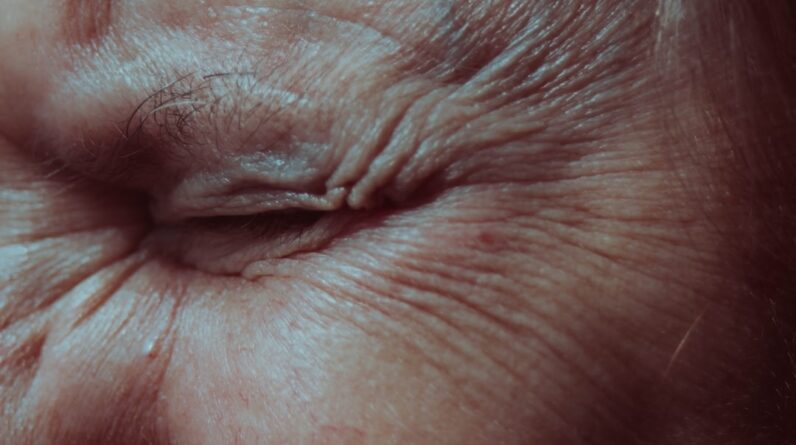
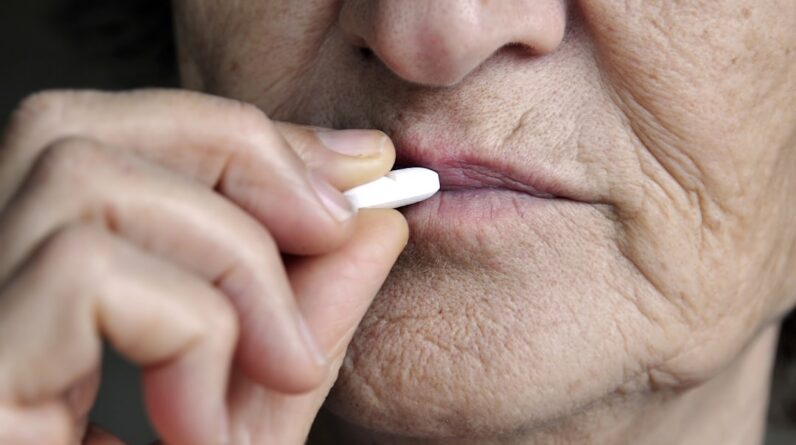
You’re seeking to understand how collagen powder might assist in reducing the appearance of wrinkles. This article will provide a factual exploration of collagen’s role in skin health, the types of collagen supplements available, and the scientific evidence, or lack thereof, supporting their efficacy in this specific regard. We will delve into the complexities of skin aging and how collagen powder is marketed as a potential solution, while maintaining a neutral and informative tone.
Your skin, a magnificent organ, acts as your body’s outermost barrier, protecting you from the environment. As you age, this barrier undergoes a series of changes, some of which manifest as visible wrinkles. A key player in maintaining your skin’s youthful appearance is collagen.
The Structural Foundation of Youthful Skin
Imagine your skin as a mattress. Collagen forms the sturdy springs within that mattress, providing its elasticity and firmness. It’s the most abundant protein in your body, making up a significant portion of your skin’s connective tissues. This protein network is responsible for your skin’s tensile strength, its ability to withstand stretching, and its smooth texture. In younger skin, this network is dense and tightly woven, leading to a plump and unlined appearance.
Declining Collagen Production with Age
From your mid-20s onwards, your body’s natural production of collagen begins to slow. This decline is a fundamental aspect of the aging process. Consider it a slow leak in a water balloon; over time, the balloon loses pressure and its tautness. As collagen synthesis diminishes and existing collagen breaks down, the skin’s supporting structure weakens. This leads to a reduction in skin elasticity and firmness, allowing gravity and repetitive facial movements to etch lines and creases into the skin’s surface – your wrinkles.
Extrinsic Factors Influencing Collagen Degradation
While chronological aging is a significant factor, external influences also accelerate collagen depletion. You are, in essence, navigating a battlefield for your skin’s collagen.
- Sun Damage (Photoaging): Ultraviolet (UV) radiation from the sun is a primary culprit. UV rays penetrate the skin and damage collagen fibers, breaking them down and impairing the skin’s ability to repair itself. This is why sun exposure can lead to premature aging, characterized by deeper wrinkles, age spots, and a leathery texture.
- Environmental Pollutants: Exposure to pollutants in the air, such as smog and particulate matter, can also generate free radicals. These unstable molecules can wreak havoc on your skin cells, including collagen, contributing to oxidative stress and accelerating tissue degradation.
- Lifestyle Choices: Your daily habits can act as silent saboteurs of your collagen. Smoking, for instance, restricts blood flow to the skin, depriving it of essential nutrients and oxygen, and introduces toxins that damage collagen. Excessive sugar intake can lead to glycation, a process where sugar molecules attach to collagen fibers, making them stiff and brittle.
Types of Collagen and Their Relevance to Skin
When you consider collagen powder, you’re likely encountering different “types” of collagen. Understanding these distinctions is crucial for evaluating potential benefits.
Type I Collagen: The Most Prevalent
This is the most abundant type of collagen in your body, found in your skin, bones, tendons, and ligaments. It’s the primary structural protein in your dermis, the layer of skin where wrinkles originate. Type I collagen provides the framework for healthy, firm skin. Supplements marketed for wrinkle reduction often focus on this type.
Type II Collagen: Primarily Found in Cartilage
You’ll find Type II collagen predominantly in cartilage, the flexible connective tissue that cushions your joints. While important for joint health, its direct impact on wrinkle reduction in the skin is less substantiated compared to Type I.
Type III Collagen: The Early Workhorse
Type III collagen is often found alongside Type I collagen in youthful skin. It plays a role in the skin’s elasticity and suppleness. As skin ages, the proportion of Type III collagen can decrease.
Hydrolyzed Collagen (Collagen Peptides): The Bioavailable Form
This is the form you will most commonly see in collagen powders. Hydrolyzed collagen, also known as collagen peptides, has undergone a process called hydrolysis. This breaks down the large, complex collagen molecules into smaller, more easily digestible and absorbable peptides. Think of it as pre-dicing your ingredients before cooking; hydrolysis makes the collagen “easier for your body to use.”
The Importance of Hydrolysis for Absorption
The intact collagen molecule is too large to be readily absorbed by your digestive system. Hydrolysis breaks these long chains of amino acids into shorter chains, or peptides. These smaller peptides are then more efficiently transported from your gut into your bloodstream, from where they can theoretically be distributed to tissues like your skin.
Sources of Collagen in Supplements
The collagen used in supplements is typically derived from animal sources.
- Bovine Collagen: Sourced from cows, this is a common and widely available option, often rich in Type I and Type III collagen.
- Marine Collagen: Derived from fish, this is typically rich in Type I collagen and is sometimes preferred by individuals seeking to avoid animal products other than fish.
- Porcine Collagen: Sourced from pigs, this can also be a source of collagen for supplements.
- Chicken Collagen: While less common for general collagen powders, chicken sternum is a source of Type II collagen and is often used in supplements focused on joint health.
Scientific Evidence for Collagen Powder’s Efficacy in Wrinkle Reduction
The claims surrounding collagen powder’s ability to reduce wrinkles are widespread, but it’s crucial to examine the scientific basis behind these assertions. The body of research is growing, but many studies have limitations.
In Vitro and Animal Studies: Early Indicators
Before human trials, research often begins in controlled laboratory settings or with animal models.
- Cell Culture Studies: These experiments investigate how collagen peptides affect skin cells (fibroblasts) in a petri dish. They might observe an increase in collagen production or a reduction in the breakdown of existing collagen when cells are exposed to collagen peptides. These findings are foundational but do not directly translate to effects on living human skin.
- Animal Models: Studies on animals, such as mice, can provide further insights into how ingested collagen might be absorbed and distributed. However, the physiological differences between animals and humans mean that results cannot be directly extrapolated.
Human Clinical Trials: The Gold Standard
To definitively assess the impact of collagen powder on wrinkle reduction in humans, controlled clinical trials are necessary. These studies involve groups of people who consume collagen powder and control groups who receive a placebo.
Randomized Controlled Trials (RCTs): Measuring Impact
Randomized Controlled Trials (RCTs) are considered the most reliable study design. Participants are randomly assigned to receive either the collagen supplement or a placebo, and neither the participants nor the researchers know who is receiving what (double-blind RCTs). This helps to minimize bias.
- Studies Focusing on Skin Hydration and Elasticity: Some RCTs have reported improvements in skin hydration and elasticity in participants taking collagen supplements. These are often measured using specialized devices. While improved hydration and elasticity can contribute to a smoother appearance, they are not direct measures of wrinkle depth reduction.
- Studies Measuring Wrinkle Depth and Appearance: A smaller but growing number of RCTs have utilized objective measures to assess wrinkle reduction. These might involve:
- Image Analysis: Sophisticated software analyzes high-resolution photographs of the skin to measure wrinkle depth, length, and surface area.
- Subjective Assessments: Participants and trained dermatologists might rate the severity of wrinkles before and after supplementation using standardized scales.
Meta-Analyses and Systematic Reviews: Consolidating Findings
When multiple studies are conducted on a similar topic, meta-analyses and systematic reviews can pool their results to provide a more comprehensive overview.
- Synthesizing Existing Data: These reviews aim to identify a consistent effect across various studies, strengthening or weakening the evidence base. The quality and consistency of the original studies heavily influence the conclusions of meta-analyses.
Key Considerations and Limitations of Current Research
While some studies show promise, it’s essential to acknowledge the limitations and nuances in the existing research.
- Study Design and Sample Size: Many studies are relatively small, meaning their findings might not be generalizable to a wider population. The duration of studies is also crucial; long-term effects are often not well-established.
- Dosage and Formulation: The optimal dosage of collagen peptides for wrinkle reduction is not definitively established, and different products use varying formulations and ingredient sources. This makes it difficult to compare results across studies.
- Confounding Factors: Participants in studies may have different baseline skin health, sun exposure histories, and dietary habits, all of which can influence wrinkle appearance and the potential impact of a supplement.
- Placebo Effect: The expectation that a supplement will work can itself lead to perceived improvements. Well-designed studies with robust placebo controls are essential to differentiate actual physiological effects from psychological ones.
- Mechanism of Action: While collagen peptides are believed to provide amino acids that the body can use to synthesize its own collagen, the exact pathway by which ingested peptides influence collagen synthesis in the skin is still an area of active research. Some theories suggest peptides may stimulate fibroblast activity, while others propose they act as signaling molecules.
What Collagen Powder Can and Cannot Do for Your Wrinkles
It’s important to approach collagen powder with realistic expectations, like understanding the capabilities of a tool in your toolbox.
Potential for Subtle Improvements
Based on current evidence, collagen powder may contribute to subtle improvements in skin appearance over time for some individuals.
- Enhanced Skin Hydration: As mentioned, some studies indicate improvements in skin hydration and a reduction in transepidermal water
FAQs
What is collagen powder and how does it help with wrinkle reduction?
Collagen powder is a dietary supplement made from collagen proteins, which are essential for maintaining skin elasticity and firmness. When ingested, collagen peptides can stimulate the body’s natural collagen production, potentially reducing the appearance of wrinkles and improving skin hydration.
How long does it take to see results from using collagen powder for wrinkles?
Results can vary depending on the individual and the product used, but most studies suggest that consistent use of collagen powder for at least 4 to 8 weeks is necessary to notice visible improvements in skin texture and wrinkle reduction.
Are there different types of collagen in collagen powders?
Yes, collagen powders typically contain different types of collagen, such as Type I, II, and III. Type I and III are most commonly associated with skin health and wrinkle reduction, while Type II is more related to joint health.
Is collagen powder safe to use daily for wrinkle reduction?
Collagen powder is generally considered safe for daily use when taken as directed. However, it is important to choose high-quality products and consult with a healthcare professional if you have allergies, dietary restrictions, or underlying health conditions.
Can collagen powder be combined with other skincare treatments for better wrinkle reduction?
Yes, collagen powder can be used alongside topical skincare products like retinoids, antioxidants, and moisturizers to enhance wrinkle reduction. A holistic approach combining oral supplements and topical treatments often yields better results.