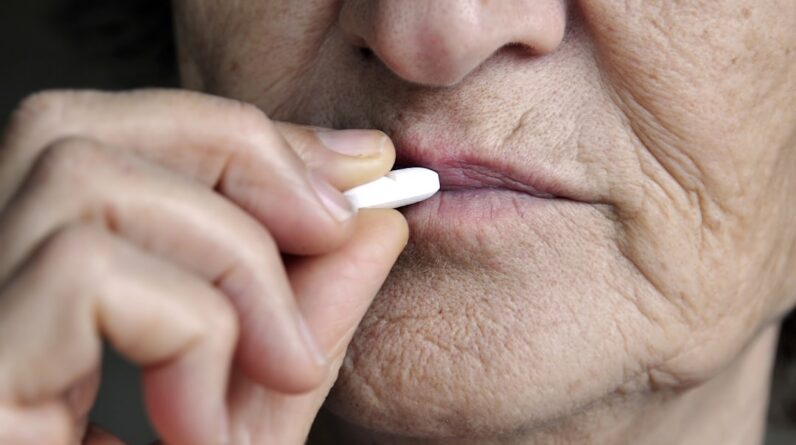
Collagen supplements are widely marketed for their purported ability to enhance skin plumpness. This article will explore the scientific underpinnings of collagen’s role in skin structure and function, examine the evidence regarding the efficacy of collagen supplementation for improving skin plumpness, and discuss factors to consider when choosing and using these products.
Imagine your skin as a finely woven tapestry. Collagen forms the warp and weft of this intricate fabric, providing its fundamental structure and strength. Without sufficient collagen, this tapestry begins to sag, wrinkle, and lose its youthful elasticity, much like a well-worn garment.
What is Collagen?
Collagen is the most abundant protein in the human body, making up approximately 30% of your total protein content. It is a fibrous structural protein that plays a critical role in the formation of connective tissues throughout your body, including skin, bones, tendons, ligaments, cartilage, and blood vessels.
The Building Blocks: Amino Acids
Collagen is synthesized from amino acids, with glycine, proline, and hydroxyproline being particularly prevalent. These amino acids link together to form long chains, which then coil into triple helices, creating the characteristic triple helix structure of collagen. This structure is exceptionally strong and resilient, contributing significantly to the tensile strength of tissues.
Types of Collagen in Your Skin
There are numerous types of collagen, but for skin health, types I and III are of paramount importance.
Type I Collagen: The Backbone of Plumpness
Type I collagen constitutes about 80-90% of the collagen in your skin. It is organized in dense, parallel bundles that provide the skin with its structural integrity and resistance to stretching. Think of these bundles as the sturdy scaffolding that holds up your skin, preventing it from collapsing. The abundance and proper arrangement of Type I collagen are directly linked to skin plumpness and a smooth, firm appearance. Its presence dictates how well your skin can resist deformation and hold its shape.
Type III Collagen: The Supporter
Type III collagen is also found in the dermis and is often found alongside Type I. It provides a more delicate meshwork, complementing Type I collagen by contributing to skin elasticity and suppleness. It acts like a flexible net within the scaffolding, allowing for some give and return, which is crucial for preventing the skin from becoming rigid. Adequate levels of Type III collagen help your skin bounce back after being stretched or compressed, contributing to that fuller, more resilient feel.
Collagen’s Role in Skin Structure and Function
Collagen’s primary function in the skin is to provide a robust framework that supports the epidermis, the outermost layer of your skin. It is embedded in the dermis, the layer beneath the epidermis, along with other crucial components like elastin and hyaluronic acid.
The Dermal Matrix: A Supportive Environment
The dermis is a dynamic environment where collagen fibers are interwoven with elastin fibers and a gel-like substance rich in hyaluronic acid. This complex matrix is responsible for maintaining skin hydration, elasticity, and firmness.
Elastin: The Spring in Your Step
Elastin fibers are responsible for your skin’s ability to recoil after being stretched. They act like rubber bands, allowing your skin to snap back into place. While elastin contributes to bounce, it’s the collagen framework that dictates the overall shape and plumpness the elastin can support.
Hyaluronic Acid: The Hydration Sponge
Hyaluronic acid is a humectant, meaning it attracts and retains water molecules. This contributes significantly to skin hydration and volume. When the skin is well-hydrated, it appears plumper and smoother. Collagen matrices help to anchor hyaluronic acid, preventing its rapid diffusion and ensuring that moisture is held within the dermal layers.
Factors Affecting Collagen Production
Your body’s ability to produce and maintain collagen is not static. Several intrinsic and extrinsic factors can influence collagen synthesis and degradation.
Intrinsic Factors: Genetics and Aging
Aging is a primary driver of collagen decline. As you age, your body’s natural collagen production slows down, and the existing collagen fibers begin to break down more readily. This is a natural biological process, much like a building’s foundation gradually eroding over time without maintenance.
Hormonal Changes
Hormonal shifts, particularly the decline in estrogen levels during menopause, are strongly linked to a significant reduction in collagen production. Estrogen plays a role in stimulating collagen synthesis, so its decrease can lead to a noticeable thinning of the skin.
Extrinsic Factors: Lifestyle and Environment
External elements can accelerate collagen degradation and impede new synthesis.
UV Radiation: The Sunlight’s Toll
Exposure to ultraviolet (UV) radiation from the sun is a major culprit in collagen damage. UV rays penetrate the dermis and trigger enzymes that break down collagen fibers, leading to a loss of elasticity and the formation of wrinkles. Think of UV radiation as a corrosive agent slowly eating away at the structural integrity of your skin’s tapestry.
Smoking: A Deleterious Habit
Smoking has a detrimental effect on collagen. The chemicals in cigarette smoke constrict blood vessels, reducing the supply of oxygen and nutrients to the skin. Furthermore, smoking can also directly damage collagen fibers and impair their production. The toxins in smoke act like tiny attackers, damaging the delicate collagen strands.
Poor Nutrition: Fueling the Breakdown
A diet lacking essential vitamins and minerals can compromise your body’s ability to synthesize collagen. Certain nutrients, like vitamin C, are crucial cofactors in collagen production. Without adequate “fuel” for the production machinery, collagen synthesis falters.
Collagen Supplements and Skin Plumpness: The Science Behind the Claims
The concept of supplementing with collagen to replenish lost stores and improve skin’s appearance, particularly its plumpness, has gained considerable traction. But what does the scientific literature say about their effectiveness?
The Mechanism of Action: Hydrolyzed Collagen Peptides
The collagen you ingest is typically in the form of hydrolyzed collagen, also known as collagen peptides. This means that the large, complex collagen molecules have been broken down into smaller, more easily digestible amino acids and short peptide chains.
Absorption and Bioavailability
Once ingested, these collagen peptides are broken down further in the digestive system. The small peptides and amino acids are then absorbed into the bloodstream. It is theorized that these absorbed peptides act as building blocks for new collagen synthesis in the body.
Signaling the Skin’s Construction Crew
Some research suggests that these circulating peptides may not only serve as raw materials but also act as signaling molecules. They might stimulate fibroblasts, the cells in your skin responsible for producing collagen, elastin, and hyaluronic acid, to ramp up their production. Imagine these peptides as tiny messengers arriving at the construction site (your skin) with a directive to build more.
Evidence for Improved Skin Plumpness
A growing body of research has investigated the impact of oral collagen supplementation on skin hydration, elasticity, and plumpness. While the results are not universally conclusive, several studies suggest a positive correlation.
Increased Skin Hydration
Studies have reported that regular collagen peptide intake can lead to significant improvements in skin hydration
FAQs
What are collagen supplements?
Collagen supplements are products containing collagen peptides or hydrolyzed collagen, which are intended to support the body’s natural collagen production and improve skin health.
How do collagen supplements improve skin plumpness?
Collagen supplements provide amino acids that help stimulate the body’s collagen synthesis, leading to increased skin elasticity, hydration, and plumpness over time.
Are collagen supplements safe to use?
Yes, collagen supplements are generally considered safe for most people when taken as directed. However, it is advisable to consult a healthcare professional before starting any new supplement.
How long does it take to see results from collagen supplements?
Visible improvements in skin plumpness and texture typically take 4 to 12 weeks of consistent collagen supplement use, depending on individual factors such as age and skin condition.
Can collagen supplements replace topical skincare products?
Collagen supplements work internally to support skin health, but they do not replace the benefits of topical skincare products like moisturizers and sunscreens, which protect and hydrate the skin externally.