Have you ever looked in the mirror and wished your face had that youthful glow? The good news is that achieving a naturally radiant complexion isn’t as challenging as it may seem. With the right techniques and a bit of dedication, you can make your face shine like never before. Let’s journey together through some practical tips and tricks to enhance your natural beauty.
Understanding Your Skin
Before we jump into the methods to achieve a youthful glow, it’s essential to understand your skin and its needs. Your skin is an organ that requires proper care and attention to maintain its health and vibrancy.
Different Skin Types
Being aware of your skin type is crucial because it affects how you approach skincare. Here’s a brief overview of common skin types:
| Skin Type | Characteristics | Care Tips |
|---|---|---|
| Oily | Shiny, enlarged pores, prone to acne | Use oil-free products and exfoliate regularly. |
| Dry | Flaky, tight, may appear dull | Moisturize daily and choose gentle cleansers. |
| Combination | Oily in the T-zone (forehead, nose, chin) and dry elsewhere | Use products targeted for both areas. |
| Normal | Balanced, neither oily nor dry | Continue with a balanced skincare routine. |
| Sensitive | Prone to redness, irritation, or allergic reactions | Opt for hypoallergenic and fragrance-free products. |
Understanding these differences can help you tailor your skincare routine effectively.
Keeping Your Skin Hydrated
One of the most fundamental aspects of maintaining youthful skin is hydration. Your skin needs water to remain plump and radiant.
The Importance of Water
Drinking adequate amounts of water is the first step in ensuring your skin looks youthful. When your body is well-hydrated, it reflects on your skin, making it appear firmer and more vibrant. Aim for at least eight 8-ounce glasses of water each day, but adjust based on your activity level and environment.
Moisturizing Your Skin
In addition to water consumption, applying a good moisturizer is essential for keeping your skin hydrated. Here are the key points to consider when choosing a moisturizer:
- Look for Hydrating Ingredients: Ingredients like hyaluronic acid, glycerin, and aloe vera can help attract moisture to your skin.
- Consider Your Skin Type: Choose products that are suitable for your specific skin type to avoid any adverse reactions.
- Apply on Damp Skin: For better absorption, apply your moisturizer while your skin is still slightly damp after cleansing.

Nourishing Your Skin from Within
It’s not just external factors that play a crucial role in how your skin looks; internal nutrition is equally important.
A Balanced Diet
Eating a nutritious, balanced diet rich in vitamins and minerals will provide your skin with the nutrients it requires to maintain its youthful appearance. Focus on incorporating the following food groups into your meals:
| Nutrient | Foods to Include | Benefits |
|---|---|---|
| Antioxidants | Berries, nuts, green tea | Protect skin from damage by free radicals. |
| Vitamin C | Citrus fruits, bell peppers | Aids in collagen production for firmness. |
| Omega-3 Fatty Acids | Fatty fish, flaxseeds, walnuts | Helps maintain skin’s lipid barrier. |
| Vitamin E | Almonds, spinach | Reduces oxidative stress and promotes healing. |
| Zinc | Beans, pumpkin seeds | Supports skin recovery and reduces inflammation. |
Incorporating these foods can profoundly impact your skin’s health and appearance.
Supplements for Skin Health
If you feel your diet isn’t meeting your nutritional needs, supplements can be a viable option. Always consult with a healthcare professional before starting any new supplement. Some essential supplements that can benefit your skin include:
- Collagen Peptides: This protein supports skin elasticity and hydration.
- Vitamin D: Essential for overall skin health and can help with skin conditions.
- Biotin: Known for promoting healthy skin, hair, and nails.
Gentle Cleansing Techniques
Proper cleansing is a pivotal step in maintaining healthy skin and achieving a youthful glow. Using the right methods can make all the difference.
Cleansing Products to Use
Choosing the right cleanser is vital based on your skin type. Here’s a quick guide:
| Skin Type | Recommended Cleanser |
|---|---|
| Oily | Gel-based cleansers |
| Dry | Creamy, hydrating cleansers |
| Combination | Balancing cleansers |
| Normal | Gentle foaming cleansers |
| Sensitive | Fragrance-free, soothing cleansers |
How to Properly Cleanse Your Face
- Wash Your Hands: Start with clean hands to avoid transferring dirt to your face.
- Use Lukewarm Water: Too hot or cold water can harm your skin barrier.
- Apply Cleanser: Gently massage the cleanser into your skin using circular motions for about 30 seconds.
- Rinse Thoroughly: Ensure you rinse off all cleanser to prevent residue buildup.
- Pat Dry: Use a soft towel to gently pat your face dry—avoid rubbing to prevent irritation.
Implementing a gentle cleansing routine will help prevent breakouts and leave your skin looking brighter.

Exfoliating for Radiance
Regular exfoliation is key to revealing fresh, youthful-looking skin. This process removes dead skin cells and aids in revitalizing your complexion.
Different Exfoliation Methods
There are two main types of exfoliation: physical and chemical. Here’s how they differ:
| Exfoliation Type | Description | Frequency |
|---|---|---|
| Physical | Scrubs or brushes that manually remove dead skin cells. | 1-2 times a week |
| Chemical | Acid-based products (like AHAs and BHAs) that dissolve dead skin cells. | 1-3 times a week depending on skin sensitivity |
Signs of Over-Exfoliation
It’s vital to recognize when you may be over-exfoliating, which can lead to irritation. Common signs include:
- Redness
- Excessive dryness
- Sensitivity
- Flakiness
If you notice these symptoms, consider reducing the frequency of exfoliation.
Sun Protection is Key
One of the most significant factors that can age your skin prematurely is UV exposure. Protecting your skin from the sun’s harmful rays is essential.
Choosing the Right Sunscreen
When selecting a sunscreen, consider the following:
- Broad Spectrum Protection: Ensure it protects against both UVA and UVB rays.
- SPF 30 or Higher: Consider using a sunscreen with SPF 30 or above for adequate protection.
- Water Resistance: If you plan on swimming or sweating, opt for a water-resistant formula.
Daily Application
Apply sunscreen daily, even on cloudy days. It’s advisable to apply about 15 minutes before sun exposure and reapply every two hours, or more frequently if you’re swimming or sweating.
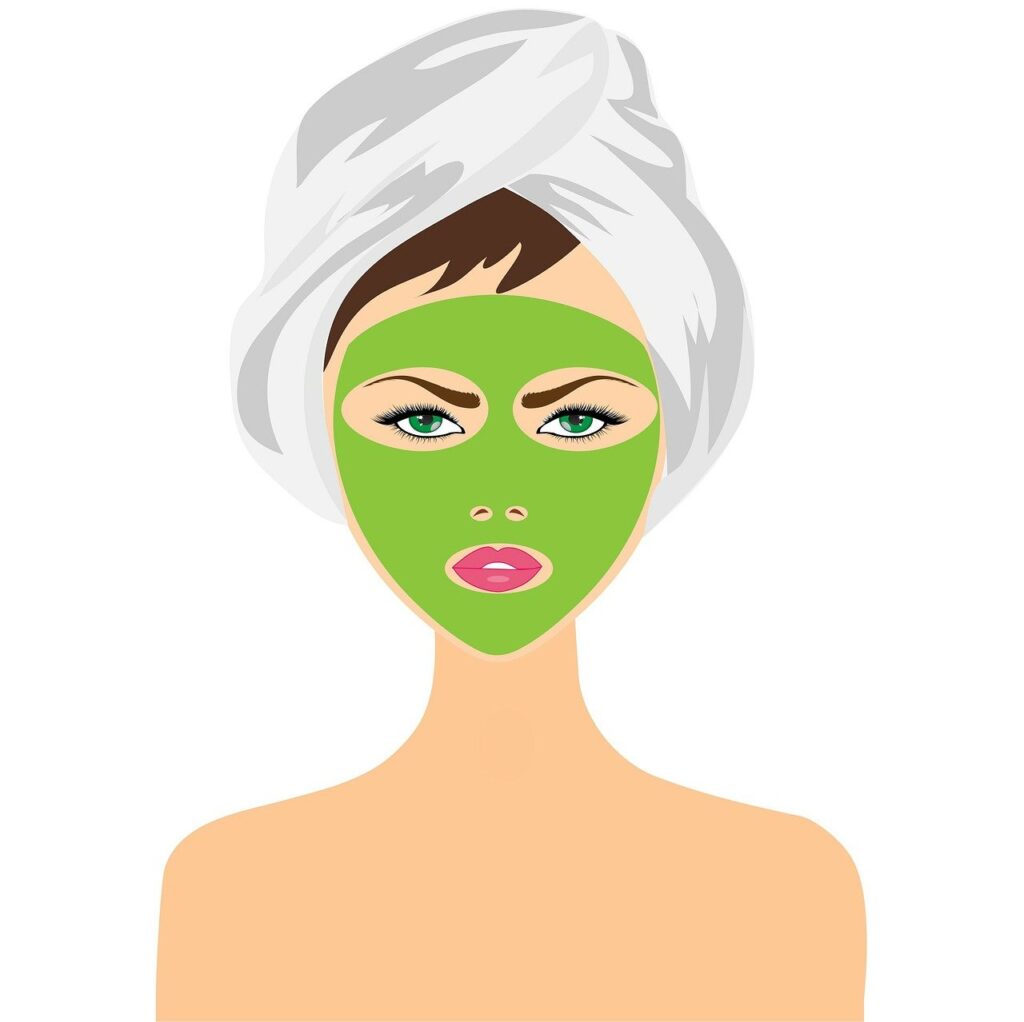
Incorporating Natural Remedies
Some natural remedies can nourish your skin and enhance its glow. Here are a few you might want to consider.
Honey
Honey is a natural humectant that attracts moisture. Applying raw honey as a face mask can help hydrate your skin and give it a natural glow.
Aloe Vera
Known for its soothing properties, aloe vera helps with healing and hydration. You can apply pure aloe vera gel directly onto your face or mix it with other ingredients for a mask.
Olive Oil
Using extra virgin olive oil as a moisturizer can provide deep hydration. It’s packed with antioxidants and fatty acids that nourish your skin.
Tip: Always perform a patch test before using new ingredients to ensure your skin responds well.
Facial Exercises for Improved Circulation
Just like the rest of your body, your face can benefit from exercise to stimulate blood flow and promote a healthy glow.
Simple Facial Exercises
Here are a few quick exercises you can try, even in the comfort of your home:
- Cheek Lifts: Smile widely, then hold for 10 seconds. Repeat several times to boost blood flow to your cheeks.
- Jaw Release: Open your mouth wide as if you’re yawning, hold for a few seconds, and repeat to relieve tension.
- Forehead Smoother: Place your fingers on your forehead and gently pull down while raising your eyebrows. This can help reduce forehead lines.
Incorporating these facial exercises into your daily routine can help improve circulation and promote a youthful appearance.
Getting Enough Sleep
Sleep is often overlooked but is absolutely essential for skin health. During your sleep, your body undergoes repair and regeneration.
The Importance of Sleep for Skin
Quality sleep allows for cellular turnover and repair processes to take place. Lack of sleep can lead to stress, which often shows on your skin as dullness and increased breakouts.
Tip: Aim for 7-9 hours of quality sleep each night, and establish a calming bedtime routine to encourage restful sleep.
Stress Management Techniques
High-stress levels can take a toll on your skin, leading to issues like breakouts or a dull complexion. Finding effective ways to manage stress is crucial for maintaining a youthful glow.
Stress Relief Activities
Consider engaging in some of the following activities to manage stress effectively:
- Meditation: Practicing mindfulness can help lower stress levels and improve overall skin health.
- Yoga: Combining movement with breath work helps reduce stress and enhances circulation.
- Deep Breathing: Taking a few moments to focus on your breath can provide immediate relief and enhance relaxation.
Incorporating these techniques into your daily life can contribute to both your overall well-being and your skin’s health.

Regular Skin Check
Lastly, it’s important to keep an eye on any changes in your skin. Regular check-ups with a dermatologist can help catch potential issues early.
What to Watch For
Keep an eye out for:
- New growths or moles
- Changes in existing moles
- Unexplained rashes or irritations
By staying vigilant and proactive with your skin health, you can ensure it continues to shine brightly.
Conclusion
You have all the tools and knowledge necessary to make your face shine naturally. By understanding your skin, keeping it hydrated, nourishing it from within, and practicing good skincare habits, you can achieve a youthful and radiant complexion. Remember, although each step may seem small, combined, they make a significant impact on your skin’s health and appearance. You can embrace your natural beauty, and let your inner glow shine through!