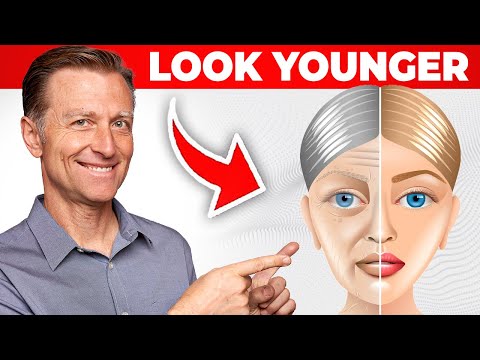
Have you ever looked in the mirror and wondered how you can achieve that youthful, radiant skin you once had? The truth is, the journey to achieving glowing, younger-looking skin starts long before you reach for that expensive cream or serum. It begins on your plate. The foods you eat play a significant role in the health and appearance of your skin. In this article, you’ll discover the ultimate diet to help you look younger and feel vibrant.

Understanding Skin Aging
Aging is a natural process, and your skin reflects that journey. As you age, your skin undergoes changes due to various factors, including genetics, environmental influences, and, most importantly, your diet. Understanding these factors is the first step toward achieving that youthful glow you desire.
The Role of Collagen and Elastin
Two proteins are essential for maintaining skin elasticity and firmness: collagen and elastin. As you age, your body produces less of these proteins, leading to sagging and wrinkles. You can boost your body’s natural production of collagen and elastin through your diet, making it essential to include specific nutrients in your meals.
The Impact of Lifestyle Choices
While diet plays a key role, lifestyle choices such as smoking, alcohol consumption, and sun exposure can accelerate the aging process. Thus, maintaining a well-rounded approach that combines a healthy diet with good habits will yield the best results.
Foods That Promote Youthful Skin
Including specific foods in your diet can nourish your skin and help you maintain a youthful appearance. Let’s unpack some of the most beneficial options.
Antioxidant-Rich Fruits and Vegetables
Antioxidants fight against free radicals, which can damage skin cells and accelerate aging. Including plenty of colorful fruits and vegetables in your diet can provide your skin with the necessary protection it needs.
| Food | Antioxidant Levels |
|---|---|
| Blueberries | High |
| Spinach | High |
| Carrots | Moderate |
| Tomatoes | Moderate |
| Avocados | High |
Omega-3 Fatty Acids
Omega-3s are essential for maintaining skin hydration. They help create a barrier in the skin that locks moisture in, leading to a plump, youthful appearance. Incorporate these beneficial fats into your meals for optimal skin health.
- Sources of Omega-3s:
- Fatty fish (like salmon and mackerel)
- Walnuts
- Flaxseeds
- Chia seeds
Vitamin C and E
Both Vitamin C and Vitamin E are crucial for skin health. Vitamin C helps in collagen production, while Vitamin E acts as an antioxidant, reducing the appearance of fine lines and wrinkles.
| Food | Vitamin C | Vitamin E |
|---|---|---|
| Oranges | High | Low |
| Almonds | Low | High |
| Kiwi | High | Low |
| Sunflower Seeds | Low | High |
Hydration: The Underestimated Key to Youthful Skin
Staying hydrated is vital for skin health. When your body is lacking in hydration, your skin can become dry and more prone to wrinkles. Drinking ample water and consuming foods with high water content can help you maintain that dewy glow.
Water-Rich Foods
Certain fruits and vegetables not only provide hydration but also offer nutrients that are beneficial for your skin health.
| Food | Water Content (%) |
|---|---|
| Cucumber | 96 |
| Watermelon | 92 |
| Strawberries | 91 |
| Spinach | 91 |
Recommended Daily Water Intake
Although needs can vary per individual, an often-recommended daily water intake is around eight 8-ounce glasses, known as the “8×8 rule.” This guideline can surely help you stay on track in supporting your skin’s hydration.
The Role of Healthy Fats
Incorporating healthy fats in your diet can greatly enhance the quality of your skin. These fats not only support hydration but also provide nutrients for better elasticity and texture.
Sources of Healthy Fats
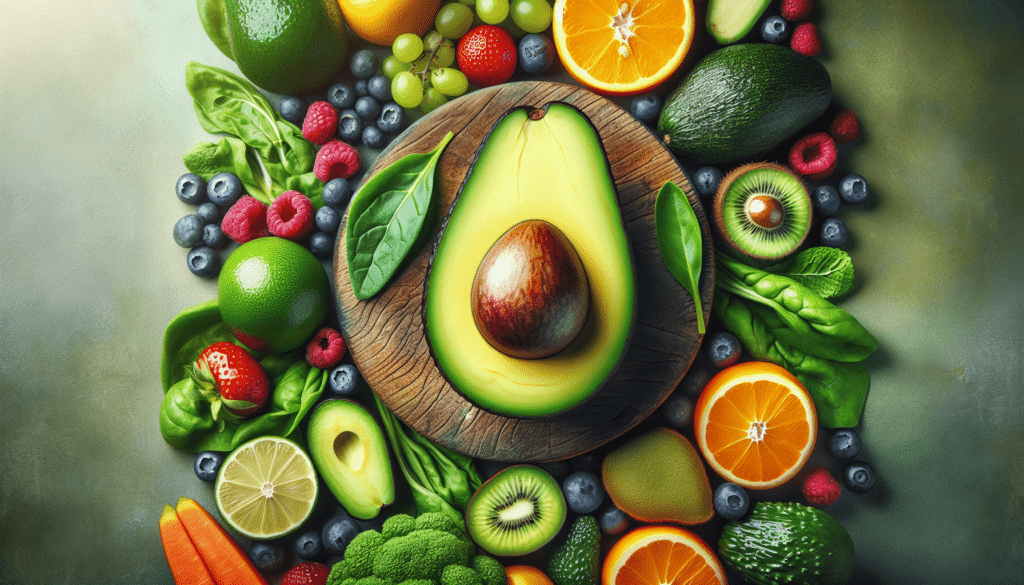
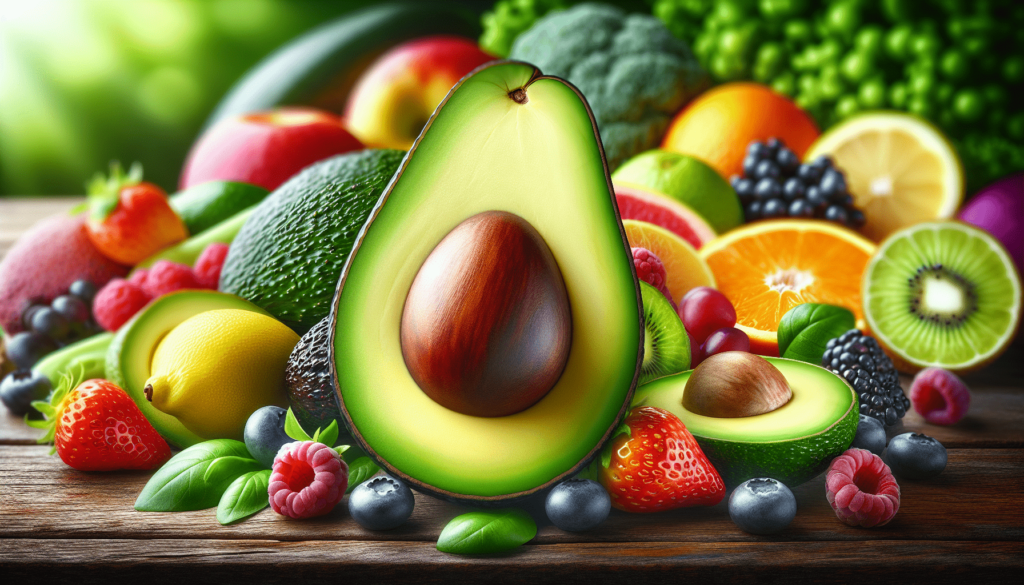
- Avocados: Full of healthy monounsaturated fats and vitamins beneficial for skin health.
- Olive Oil: Rich in antioxidants and used in many delicious dishes, this oil can give your skin a boost.
- Nuts and Seeds: Excellent sources of healthy fats, omega-3s, and vitamins.

The Importance of Vitamins and Minerals
In addition to healthy fats, vitamins and minerals are essential to skin rejuvenation. They help repair skin cells and promote a younger appearance.
Key Vitamins and Their Benefits
- Vitamin A: Essential for skin cell production and repair.
- Vitamin B Complex: Helps maintain skin hydration and promotes overall health.
- Zinc: Important for skin repair, reducing inflammation, and healing.
- Selenium: Protects skin from damage and supports elasticity.
| Vitamin/Mineral | Sources | Benefits |
|---|---|---|
| Vitamin A | Carrots, sweet potatoes | Skin repair, cell production |
| Vitamin C | Citrus fruits, bell peppers | Collagen production |
| Zinc | Meat, legumes, seeds | Reduces inflammation, repairs |
| Selenium | Brazil nuts, fish | Protects against damage |
Foods to Avoid for Healthier Skin
While adding beneficial foods to your diet is crucial, avoiding certain foods can also promote healthier, younger-looking skin.
Processed Foods
Highly processed foods are often packed with sugars, unhealthy fats, and preservatives that can lead to inflammation. This inflammation can exacerbate skin issues and accelerate aging.
Refined Sugars
Consuming high amounts of sugar can lead to glycation, a process that damages collagen and elastin, resulting in wrinkles and sagging skin. Avoid sugary snacks, soda, and processed desserts.
Dairy Products
Some individuals find that dairy can contribute to skin breakouts and inflammation. If you notice that dairy affects your skin negatively, consider reducing your intake.
Eating Habits to Promote Youthful Skin
In addition to what you eat, how you eat can significantly influence your skin’s health.
Mindful Eating
Practicing mindful eating can help you avoid overeating and make better food choices. Focus on your meals, chew slowly, and savor each bite. This can help your body better process and enjoy the nutrients.
Balanced Meals
Aim for balanced meals that include a source of protein, healthy fats, and plenty of fruits or vegetables. This balance supports overall health and keeps your skin nourished.
Lifestyle Tips for Radiant Skin
In addition to a nutritious diet, certain lifestyle practices can greatly impact your skin’s appearance.
Regular Exercise
Exercise improves blood circulation, invigorating your skin and promoting a healthy glow. It also helps reduce stress, which can contribute to skin issues such as acne and eczema.
Quality Sleep
Never underestimate the power of a good night’s sleep! Sleep is when your body repairs itself, including your skin. Aim for 7-9 hours of quality rest per night to give your skin a chance to rejuvenate.
Stress Management
Chronic stress can lead to skin problems. Practices such as yoga, meditation, or even hobbies that make you happy can help mitigate stress and its impact on your skin.
Supplements for Enhanced Skin Health
While a balanced diet is your first line of defense, certain supplements can complement your journey for healthier, younger-looking skin.
Collagen Supplements
Collagen supplements can help support your skin’s elasticity and structure. Many people report improved skin hydration and a reduction in the appearance of wrinkles.
Omega-3 Supplements
If you find it challenging to get enough omega-3s through diet alone, consider omega-3 supplements to support skin health and maintain hydration.
Antioxidant Supplements
Antioxidant supplements, like astaxanthin or vitamin C, can add to your dietary intake, providing more protection against oxidative stress.
Putting It All Together: Sample Meal Plan
Now that you have a comprehensive understanding of which foods promote youthful skin, let’s look at a sample meal plan that incorporates these elements.
Sample Meal Plan for Youthful Skin
| Meal | Foods Included |
|---|---|
| Breakfast | Smoothie with spinach, banana, and almond milk |
| Snack | Handful of walnuts and a small apple |
| Lunch | Grilled salmon with a side of quinoa and roasted vegetables |
| Snack | Carrot sticks with hummus |
| Dinner | Stir-fried chicken with mixed bell peppers and broccoli, served with brown rice |
| Dessert | Dark chocolate square (in moderation) |
Conclusion
Achieving youthful, glowing skin is attainable through an integrated diet and lifestyle approach. By focusing on nutrient-rich foods, maintaining hydration, and adopting healthy habits, you empower your skin to look its best. Remember, this journey isn’t just about the end result; it’s about enjoying the process and nurturing your body along the way. So, as you embark on this path, keep in mind that every step you take nourishes not only your skin but also your overall well-being. Here’s to a more youthful you!