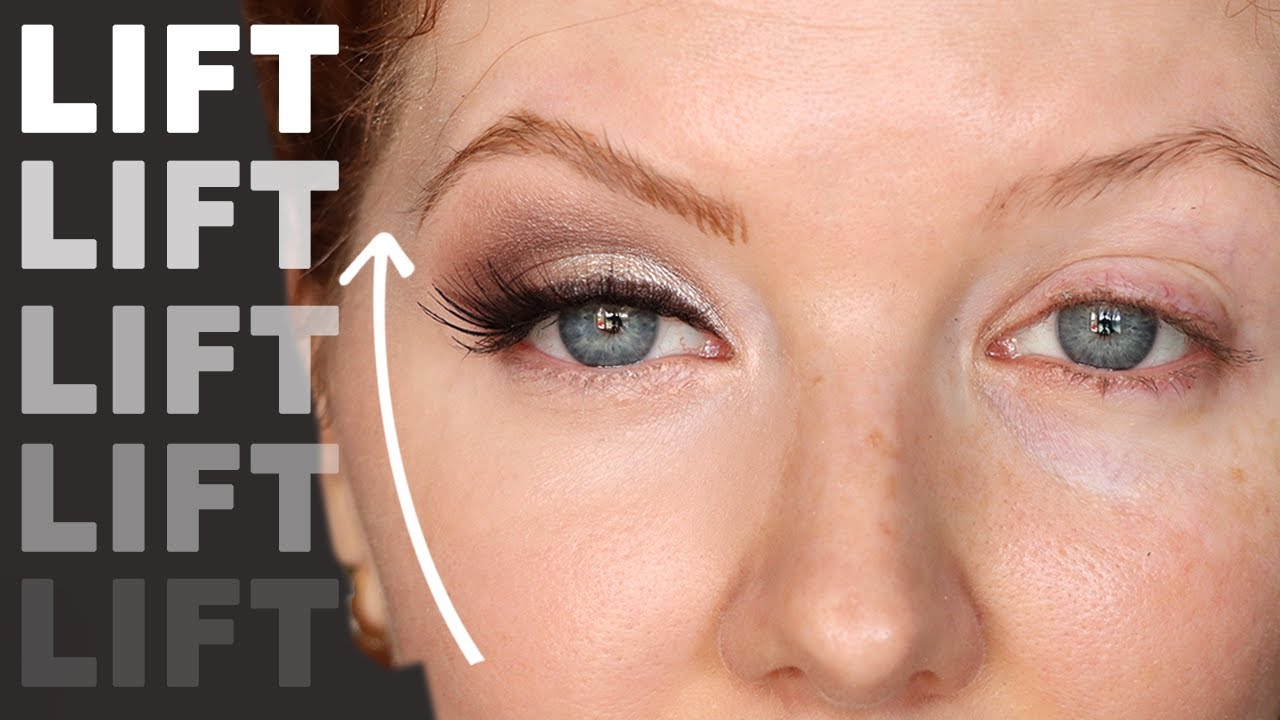
Have you ever glanced in the mirror and wished for that youthful glow you remember from years past? Aging is a natural part of life, but many people are curious about ways to enhance their skin health and overall appearance. Could there be a secret ingredient that makes you look younger naturally?

Understanding Aging Skin
As we age, our skin undergoes several changes. Collagen and elastin production slows, leading to wrinkles and a loss of elasticity. Environmental factors, genetics, and lifestyle choices also play crucial roles in how our skin ages. It’s easy to feel overwhelmed when thinking about skincare, but you can take small steps to make a significant difference.
The Role of Vitamins in Skin Health
Vitamins are essential nutrients that play various roles in our bodily functions. They’re not only vital for our overall health but also crucial for maintaining youthful, radiant skin. Certain vitamins can combat the signs of aging, improve skin texture, and promote a glowing complexion.
The Best Vitamins for Youthful Skin
Among various vitamins, certain ones stand out when it comes to promoting younger-looking skin. Let’s discuss the most effective vitamins known to make a difference.
Vitamin C
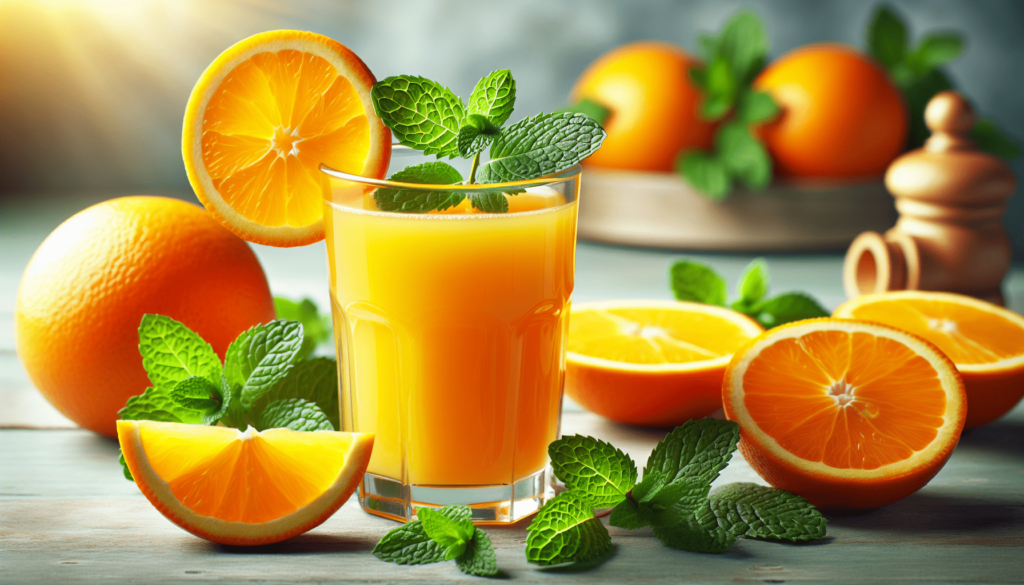
Vitamin C is often hailed as the superstar of skincare vitamins. It’s a potent antioxidant that can help neutralize free radicals, which are responsible for premature aging.
Benefits of Vitamin C:
- Collagen Production: Vitamin C stimulates collagen production, ensuring your skin remains plump and firm.
- Brightening Effect: It can reduce dark spots and hyperpigmentation, leading to a more even skin tone.
- Sun Protection: While it should not replace sunscreen, vitamin C can enhance your skin’s defense against UV damage.
Sources of Vitamin C:
You can find vitamin C in various fruits and vegetables. Here are some excellent sources:
| Food Source | Vitamin C Content (per 100g) |
|---|---|
| Red bell pepper | 128 mg |
| Kiwi | 93 mg |
| Strawberries | 58 mg |
| Oranges | 53 mg |
| Broccoli | 89 mg |
Vitamin E
Often paired with vitamin C, vitamin E is another powerful antioxidant that helps protect your skin from damage and supports skin health.
Benefits of Vitamin E:
- Moisture Retention: It helps maintain skin hydration, reducing dryness and promoting a smooth appearance.
- Healing Properties: Vitamin E supports skin healing, making it beneficial for scars and blemishes.
- UV Protection: Similar to vitamin C, it can offer some protection from the harmful effects of sun exposure.
Sources of Vitamin E:
You can find vitamin E in various foods, particularly those with healthy fats:
| Food Source | Vitamin E Content (per 100g) |
|---|---|
| Almonds | 25.6 mg |
| Sunflower Seeds | 35.17 mg |
| Avocado | 2.07 mg |
| Spinach | 2.03 mg |
| Kiwi | 1.46 mg |
Vitamin A
Vitamin A is crucial for skin health as it stimulates cell production and turnover, helping to maintain a youthful complexion.
Benefits of Vitamin A:
- Cell Regeneration: It promotes the growth of new skin cells, fading fine lines and wrinkles.
- Antioxidant Properties: Vitamin A helps protect skin cells from oxidative stress.
- Improved Skin Tone: It can help to enhance skin tone and texture, leading to a brighter and more youthful appearance.
Sources of Vitamin A:
Vitamin A can be found in animal products as well as plant-based foods:
| Food Source | Vitamin A Content (per 100g) |
|---|---|
| Carrots | 835 µg |
| Sweet Potatoes | 961 µg |
| Spinach | 469 µg |
| Mangoes | 54 µg |
| Egg Yolks | 150 µg |
B Vitamins Complex
The B vitamins, particularly B3 (niacin) and B5 (pantothenic acid), can significantly impact skin health.
Benefits of B Vitamins:
- B3 (Niacin): Improves skin barrier function, which helps retain moisture and reduces redness and blotchiness.
- B5 (Pantothenic Acid): Aids in skin healing and can improve skin hydration and elasticity.
Sources of B Vitamins:
These vitamins are found in a range of foods, making them accessible for most diets:
| Food Source | B Vitamin Content (per 100g) |
|---|---|
| Chicken Breast | 13.0 mg (B3) |
| Salmon | 4.6 mg (B3) |
| Lentils | 0.6 mg (B5) |
| Spinach | 0.5 mg (B5) |
| Sunflower Seeds | 4.0 mg (B3) |
Collagen: The Youth Protein
While not a vitamin, collagen deserves a mention due to its tremendous role in skin health. It’s the most abundant protein in your body, providing structure to your skin, hair, and nails.
Benefits of Collagen:
- Skin Elasticity: Consuming collagen supports skin elasticity, reducing sagging and wrinkles.
- Hydration: It can help improve skin hydration, giving you a supple appearance.
- Overall Skin Health: Collagen supports the skin’s structural integrity, enhancing firmness and appearance.
Sources of Collagen:
You can boost your collagen levels through specific foods or supplements:
| Food Source | Collagen Content (per serving) |
|---|---|
| Bone Broth | 10-20 g (varies by preparation) |
| Chicken Skin | 18 g (per 100g cooked) |
| Fish Skin | 20 g (per 100g) |
| Collagen Supplements | Varies (check product label) |
Incorporating These Vitamins into Your Diet
Now that you know about these essential vitamins for youthful skin, the next logical step is incorporating them into your daily routine. Here are some practical tips to ensure you’re getting enough:
Balanced Diet is Key
A well-rounded diet rich in the vitamins mentioned can yield excellent benefits. Focus on incorporating various fruits, vegetables, nuts, and protein sources to obtain essential nutrients.
Supplement Wisely
If you find it challenging to get enough vitamins from your food alone, you might consider supplements. However, it’s essential to consult with a healthcare professional before starting any new supplement regimen.
Hydration Matters
Never underestimate the power of water! Proper hydration is crucial for skin health, helping to flush out toxins and keep your skin looking plump and rejuvenated.
Use Topical Applications
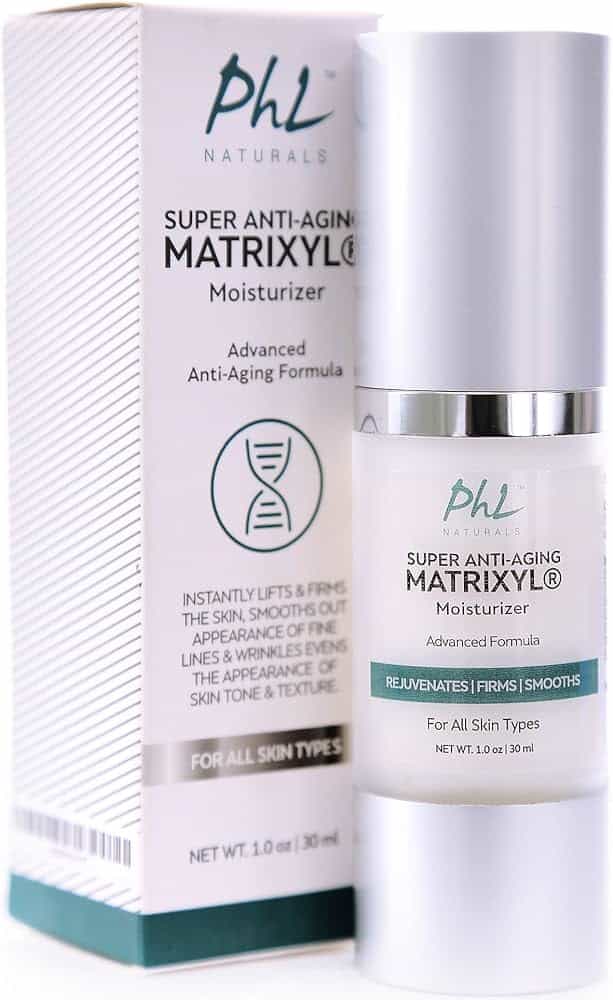
While consuming the right vitamins is critical, don’t forget about topical skincare products that contain these nutrients. Many serums and creams are enriched with vitamins C and E, among others, specifically formulated to boost your skin’s appearance.

Lifestyle Choices that Support Youthful Skin
Beyond vitamins and diet, your lifestyle choices are equally essential in maintaining a youthful appearance. Here are some changes you can consider:
Sun Protection
The sun can cause significant damage to your skin, leading to premature aging. Always wear sunscreen, even on cloudy days, and consider UV-protective clothing.
Sleep is Essential
Adequate sleep allows your body to repair and rejuvenate. Aim for 7-9 hours of quality sleep each night to help maintain your skin’s vitality.
Stress Management
Chronic stress can take a toll on your overall health, including your skin. Engage in stress-reducing activities like yoga, meditation, or even hobbies that bring you joy.
Smoking Cessation
If you smoke, quitting will dramatically improve not only your skin’s appearance but also your overall health. Smoking can lead to premature wrinkles and a dull complexion.
Staying Active
Regular exercise increases blood circulation, delivering vital nutrients to your skin. It can also reduce stress, leading to healthier skin.
Conclusion: A Holistic Approach to Youthful Skin
You’ve learned about the vital vitamins and lifestyle changes that can help you regain that youthful glow. Looking younger naturally is within your reach, and it starts with understanding your body’s needs. By incorporating these vitamins into your diet, protecting your skin from the sun, managing stress, and maintaining a healthy lifestyle, you can enhance your skin health and appearance.
Remember, it’s not just about looking younger; it’s about feeling great in your skin at any age. So go ahead and make these changes today. Your future self will thank you!